Best Exterior Paint for Wood Siding (No Peeling, Breathable)
Looking for the best exterior paint for wood siding? Learn what really prevents peeling, how breathable paints protect wood, and which finishes last longer.
COMPARISONS
Dalsberg
1/27/20263 min temps de lecture
Choosing paint for exterior wood siding isn’t just about color.
It’s about how the paint behaves with wood once it’s exposed to rain, sun, moisture, and seasonal movement.
Some “high technological and miracle” paints do not crack, and that may be worse. Their plastic film stretches and relaxes as the wood swells or shrinks due to humidity, cold, and heat. This also means that the wood retains all the water and deteriorates under a beautiful, high-tech paint that hides the disaster. Considering the costs, it is better to use a paint that cracks, as at least the wood will be able to release the water.
This guide focuses specifically on exterior wood siding.
If you’re looking for a broader comparison across all exterior wood uses — siding, furniture, barns, fences — see our full guide to best exterior wood paint.
Some exterior paints look great for many years — then start peeling, blistering, or cracking.
What you can't see is the damage to your siding; the wood has absorbed moisture and suffered as a result.
This article explains why that happens, and what actually makes an exterior paint for wood siding last.
Linseed oil has been used for generations because it penetrates wood deeply and cures naturally without forming a brittle synthetic layer.
Why exterior paint peels on wood siding
Paint peels because wood siding is alive.
Wood siding constantly:
absorbs moisture
wants to releases moisture
expands and contracts with temperature
Most modern exterior paints and some stains, form a plastic film on the surface.
That film blocks moisture from escaping.
Traditional clapboard siding moves constantly with humidity and temperature changes, which is why choosing the right paint system matters. Our guide on how to paint clapboard siding explains what actually works long-term.
Dutch lap siding creates deeper shadow lines and tighter overlaps than standard siding, which changes how moisture and paint behave over time.
Board and batten siding expands differently across vertical support, making breathable paint systems a safer long-term choice.
Over time:
moisture builds up behind the paint
pressure increases
the paint lifts, cracks, and peels
This isn’t a preparation problem.
It’s a material compatibility problem.
👉Why old barn paint didn’t peel
What to look for in the best exterior paint for wood siding
If you want paint that lasts on wood siding, look for these non-negotiable characteristics:
✔ Non-film-forming
The paint should soak into the surface fibers, not seal them under plastic.
✔ Breathable by design
Moisture must be able to move in and out of the wood naturally.
✔ Matte or mineral finish
Glossy finishes crack faster on moving substrates like wood.
✔ Compatible with wood movement
Paint should age with the siding — not fight against it.
Paints that meet these criteria fade gradually instead of peeling.
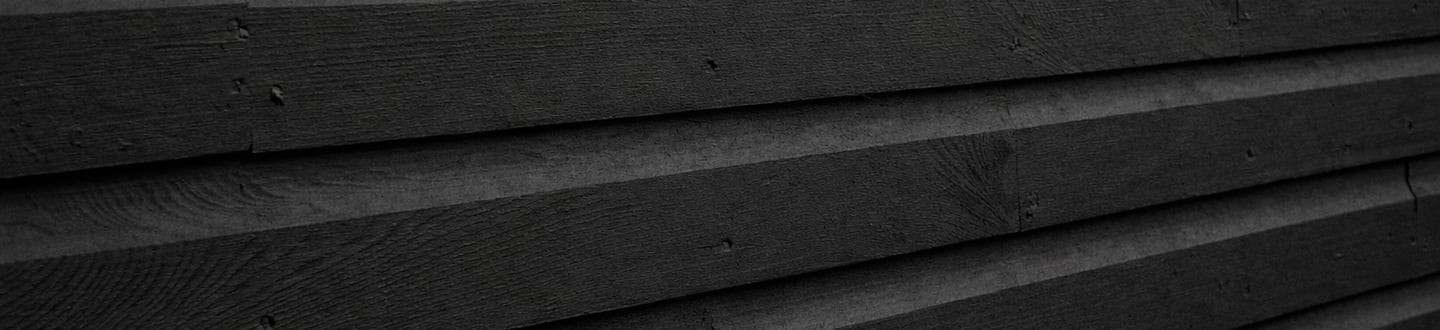
Black wood siding creates a striking architectural look, but darker surfaces place much higher thermal stress on exterior paint systems.
Film-forming vs breathable paint for wood siding
Film-forming paints (acrylic, latex, alkyd)
Create a sealed surface
Trap moisture
Peel and blister over time
Require heavy scraping for maintenance
Breathable paints (heritage / mineral-based)
Penetrate the wood siding
Let moisture escape
Wear slowly and evenly
Easy to refresh without stripping
👉mate finish offers a natural wood finish
Best types of paint for exterior wood siding
There is no single “miracle paint”, but some systems clearly work better on wood siding.
1️⃣ Breathable heritage / barn paint
Originally used on barns and wood siding exposed to harsh climates.
Why it works:
non-film forming
mineral pigments
natural binders compatible with wood
Result:
matte finish
no peeling
simple long-term maintenance
👉 It's a return to the roots : Explore the heritage barn paint colors
2️⃣ Mineral-based exterior paints
Good breathability, but often harder to apply and less forgiving.
3️⃣ Modern acrylic paints
Easy to apply, but most will peel eventually on wood siding, especially in humid or cold climates.
How climate affects exterior wood siding paint
Climate matters more than brand.
Humid areas → trapped moisture causes blistering
Cold climates → freeze–thaw cycles lift paint films
High sun exposure → UV breaks down binders
Breathable paints adapt better because they don’t lock moisture inside the wood.
This is why traditional barn paints performed so well across North America and Canada.
Application matters (but it’s simpler than you think)
One advantage of breathable paints:
application is straightforward.
Typical process:
light brushing or dust removal
one generous coat
no primer required
wide brush preferred
No complex systems.
No multi-layer sandwich.
👉 Discover how to apply barn paint : simple techniques for exterior wood.
So, what is the best exterior paint for wood siding?
The best exterior paint for wood siding, is one that:
lets wood breathe
doesn’t trap moisture
fades instead of peeling
simplifies maintenance over time
That’s why breathable, non-film-forming paints — inspired by traditional barn paint — are still relevant today.
They don’t fight wood.
They work with it.
Professional quotes available for large siding and exterior wood projects.

We usually reply within 24-48 business hours
Free shipping included — typically delivered within 6–9 business days across the United States and Canada using trusted carriers. Import duties are currently covered by Dalsberg Paint.
Secure payments : Credit card, PayPal, Bank transfer
DALSBERG® is a registered trademark of Dalsberg Paint. All rights reserved.
Dalsberg Paint – operated by Jean- François Luya, sole proprietorship registered in Sweden
VAT SE800626823201
D-U-N-S® Number 778594247
Visit Dalsberg peintures for France Belgium and Switzerland