Why old barn paint didn’t peel : and why most modern exterior paints do.
Old barns didn’t just survive because they were well built. They survived because the wood was allowed to breathe.
Moisture could escape. Air could circulate. Fungi and mold struggled to take hold.
The wood aged. It showed wrinkles. It weathered. But it didn’t rot.
There were no miracle products. No fancy colors. No plastic layers promising eternal perfection. Just wood — protected at the surface by another natural material.
a simple pact between two natural materials
That quiet agreement is what made the difference.
🕰️ A short historical note
For centuries, farmers and builders didn’t paint wood to decorate it.
They painted it to keep it alive.
Traditional barn paint was made from what was available:
plant-based binders like old flour residue, rust, mineral pigments, sometimes oil.
The goal was never to seal the surface.
It was to slow down weathering while letting the wood do what wood has always done: absorb, release, move, and age.
That approach wasn’t romantic. It was practical.
And it worked — long before modern coatings industry existed.
The real reason old barn paint lasted
It wasn’t better craftsmanship.
And it wasn’t better weather.
Old barn paint worked because it respected how wood behaves outdoors.
Traditional barn paint was:
breathable
non-film-forming
mineral-based
Instead of sealing the surface, it soaked into the wood.
Moisture could escape.
The paint and the wood aged together without cracking.
What causes exterior paint to peel
Most modern exterior paints are film-forming.
They create a sealed layer on top of the wood.
At first, everything seems perfect.
Then moisture gets in — through joints, end grain, or small cracks.
And once it’s trapped underneath the paint film, pressure builds.
That’s when you see:
blistering
cracking
peeling sheets of paint
The wood swells, shrinks, and the paint cracks.
The failure doesn’t start on the surface.
It starts underneath.
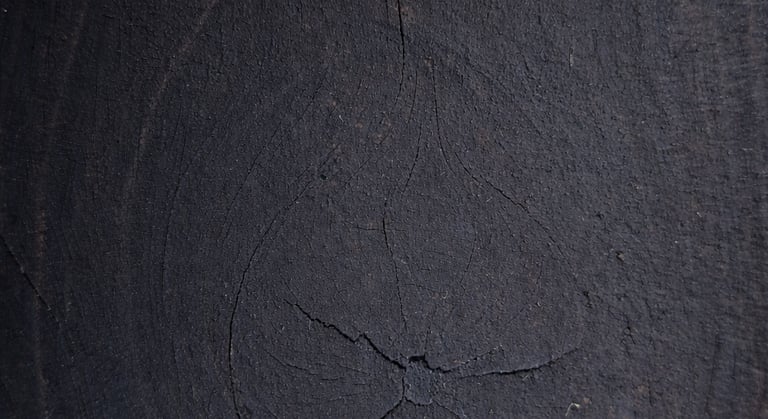
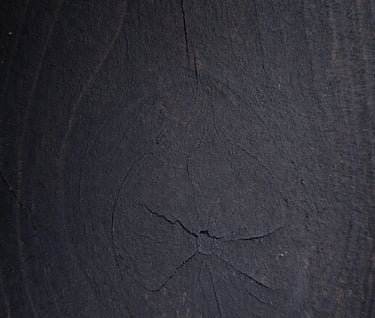
Discover why black wood siding needs breathable paint.
Fading is not failure
This is an important distinction.
Traditional barn paint was designed to age, not to stay perfect forever.
Over time:
the binder slowly weathers
the surface softens
the color lightens slightly
This is normal.
It’s expected.
And it’s intentional.
The paint stays anchored in the wood.
The wood stays healthy.
after 8 to 12 yeqrs, maintenance takes infinitely less time and money.
Why heritage barn paint still makes sense today
We don’t live in barns anymore. But wood hasn’t changed.
Modern exterior wood still needs to:
release moisture
move with temperature changes
survive sun, rain, and freeze–thaw cycles
That’s why the old logic still applies.
Heritage barn paint doesn’t fight the wood.
It works with it.
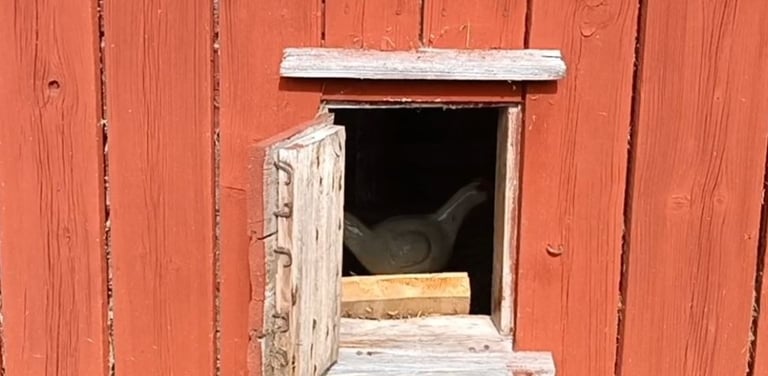
👉 Watch more heritage barn paints
The trade-off — honestly explained
Yes, breathable paint ages. Yes, the surface will slowly fade.
But in exchange, you get:
no peeling
no trapped moisture
no heavy scraping
easy maintenance
After 8 to 12 years, maintenance becomes easier — not harder.
That’s not a drawback. That’s the design.
Conclusion
Old barn paint didn’t peel because it wasn’t trying to act like plastic. It let wood breathe. It aged honestly. And it respected the material.
Modern heritage paint simply brings that logic back — with better consistency and easier preparation.
When paint works with wood instead of against it, that is what makes the best exterior wood paint last.
And that’s the whole point.
Professional quotes available for large siding and exterior wood projects.

We usually reply within 24-48 business hours
Free shipping included — typically delivered within 6–9 business days across the United States and Canada using trusted carriers. Import duties are currently covered by Dalsberg Paint.
Secure payments : Credit card, PayPal, Bank transfer
DALSBERG® is a registered trademark of Dalsberg Paint. All rights reserved.
Dalsberg Paint – operated by Jean- François Luya, sole proprietorship registered in Sweden
VAT SE800626823201
D-U-N-S® Number 778594247
Visit Dalsberg peintures for France Belgium and Switzerland