Can You Paint Cedar Wood? Best Paint for Cedar Siding & Outdoor Use
Cedar wood can be painted — but only with the right paint. Learn why breathable, non-film-forming paint works best on cedar siding, fences, and exterior wood.
COMPARISONSTECHNICAL
Dalsberg
1/31/20264 min temps de lecture
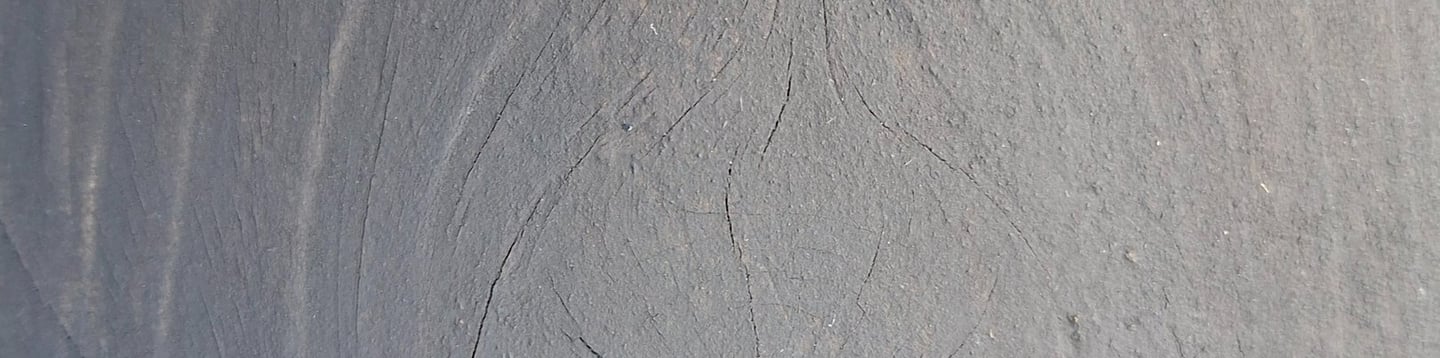
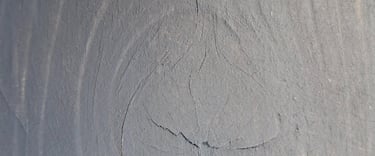
Cedar is already one of the best exterior woods available.
Naturally durable, lightweight, stable, and resistant to rot and insects, cedar has been used for centuries on siding, cabins, barns, fences, and outdoor structures across North America.
Browse our Cedar Siding inspiration board on Pinterest for real examples of painted cedar siding and breathable exterior wood finishes.
So a common question comes up — and it’s a good one:
Can you paint cedar wood?
The answer is yes — but only if the paint respects how cedar behaves.
Many modern paints fail on cedar not because cedar is fragile, but because it is too good at being wood.
This guide explains:
why cedar behaves differently,
why film-forming paints often fail on it,
and why breathable paint with optional linseed oil is one of the most compatible solutions for exterior cedar wood.
Many older cedar homes use clapboard siding, and breathable paint helps supress peeling and trapped moisture behind overlapping boards.
Why cedar wood is already an exceptional exterior material.
Before talking about paint, it’s important to understand why cedar doesn’t need “miracle protection” in the first place.
Natural durability
Cedar is naturally resistant to:
rot and decay
mold and mildew
insect attacks
That’s why it has long been used outdoors without chemical treatment.
Stability and lightness
Cedar is a low-density wood with minimal shrinkage.
It expands and contracts far less than many other species, even when exposed to rain, sun, and temperature changes.
Aromatic and insect-repellent
Cedar’s natural aroma comes from oils and resins that repel insects.
This is why cedar is also used in closets and storage spaces.
Exterior cedar behaves differently outdoors due to its natural oils and fast drying behavior, making breathable finishes especially compatible.
Aesthetic appeal
Fresh cedar ranges from warm yellow-brown to reddish-pink tones, with a fine, regular grain that gives it a high-end, natural look.
Easy to work with
As a relatively soft wood, cedar is easy to cut, nail, and install — another reason it’s widely used for siding and cladding.
The real issue with cedar: graying, drying, and end-grain cracking
Left untreated, cedar will naturally weather to a silver-gray patina.
Some people love this.
Others find it dull or uneven over time.
There’s also another issue:
Because cedar dries quickly in full sun, end grain and edges can dry faster than the rest of the board, leading to cracks at the extremities.
This is not a structural failure — it’s simply cedar doing what wood does : aging.
That’s where a compatible wood finish becomes useful:
to slow moisture exchange slightly,
to reduce excessive surface drying,
and to bring visual consistency back to the wood.
Can you paint cedar wood?
Yes — cedar wood can be painted.
But it must be painted with a system that works with cedar, not against it.
Cedar strongly rejects film-forming paints.
Why?
Because cedar is naturally rich in oils and resins. These substances:
interfere with adhesion of synthetic films,
push against rigid coatings,
and accelerate peeling when moisture is trapped.
This is why many acrylic or latex paints:
look good at first,
then peel, blister, or fail unpredictably on cedar siding.
Why breathable paint works so well on cedar wood
Breathable exterior wood paint follows a different logic.
Instead of sealing cedar under plastic, it:
lightly saturates the outer wood fibers,
allows vapor and moisture to escape,
adapts naturally to wood movement.
Because moisture is never trapped, pressure never builds inside the wood.
On cedar, this compatibility is especially important.
👉 Related reading: Best Exterior Wood Paint — Breathable vs Film-Forming
Painting cedar wood siding: best practices
Cedar siding is exposed to:
rain and humidity,
sun and UV,
freeze-thaw cycles,
and constant air movement.
Film-forming paints struggle here.
Breathable paint performs better because:
it does not crack under movement,
it does not trap moisture behind the surface,
it ages gradually instead of failing suddenly.
Matte, mineral-based finishes are especially well suited to cedar siding.
Boiled linseed oil helps stabilize fast-drying woods like cedar while remaining fully compatible with breathable exterior paint systems.
Darker colors and visual regularity on cedar
Another advantage of breathable paint on cedar is color behavior.
Darker mineral tones:
black
deep red
dark brown
anthracite gray
help:
visually unify boards,
reduce the patchy look of weathered cedar,
soften the appearance of previous graying.
Instead of hiding the wood, these finishes regularize the tone while keeping grain visible.
This is particularly appreciated on:
modern wood siding,
cabins and chalets,
barns and outbuildings,
fences integrated into vegetation.
The role of boiled linseed oil on cedar wood
Boiled linseed oil is optional — but extremely effective on cedar.
Because cedar dries quickly, linseed oil:
slows surface dehydration,
improves water resistance,
strengthens fiber saturation,
reduces excessive chalking over time.
When combined with breathable paint:
it does not block vapor,
it improves durability,
it helps prevent end-grain cracking.
This is especially useful for:
sunny exposures,
horizontal elements,
fences and outdoor furniture,
harsh or variable climates.
👉 More on application: Applying Barn Paint — Simple Techniques
How breathable paint ages on cedar
Unlike synthetic paints, breathable paint does not “fail.”
It:
fades gradually,
powders lightly at the surface,
disperses slowly with wind and weather.
This aging is predictable and harmless.
The wood remains healthy.
Maintenance stays simple.
No stripping. No sanding marathons.
This is exactly why similar paint systems were historically used on barns and wood buildings for centuries.
👉 Background: Heritage Barn Paint for Exterior Wood
How to paint cedar wood (simple method)
Light brushing to remove dust
Wood must be dry
Apply with a wide brush
One generous coat
No primer
Optional boiled linseed oil
That’s it.
Conclusion
Cedar is already one of the best exterior woods available.
Painting cedar wood makes sense only if the paint respects the material.
Breathable, non-film-forming paint:
works with cedar’s natural oils,
allows moisture to escape,
reduces cracking and peeling,
evens out color,
and simplifies long-term maintenance.
Add linseed oil when conditions demand it — and let the wood age naturally. Watch examples in our gallery.
That’s not a compromise.
That’s intelligent protection.
Professional quotes available for large siding and exterior wood projects.

We usually reply within 24-48 business hours
Free shipping included — typically delivered within 6–9 business days across the United States and Canada using trusted carriers. Import duties are currently covered by Dalsberg Paint.
Secure payments : Credit card, PayPal, Bank transfer
DALSBERG® is a registered trademark of Dalsberg Paint. All rights reserved.
Dalsberg Paint – operated by Jean- François Luya, sole proprietorship registered in Sweden
VAT SE800626823201
D-U-N-S® Number 778594247
Visit Dalsberg peintures for France Belgium and Switzerland