Winter Test: Snow, Freeze, Friction
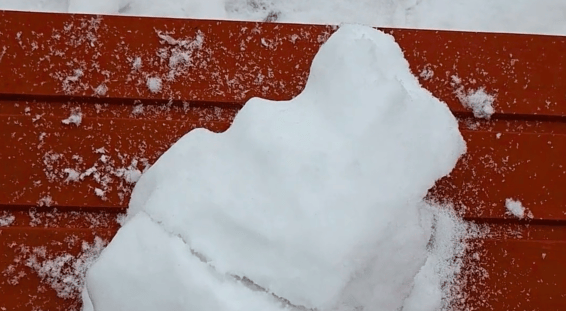
In this test, we applied our heritage barn paint on exterior boards and exposed them to:
• Snow accumulation
• Freeze–thaw cycles
• Surface rubbing to simulate abrasion
What happened?
✔ No peeling
✔ No cracking
✔ No blistering
✔ No trapped moisture
The surface remained stable.
When rubbed strongly, you may notice sometimes a very light surface powder.
That is not failure.
It’s controlled aging.
Traditional acrylic or latex paints create a sealed plastic layer.
When moisture gets inside the wood (and it always does), pressure builds up under that film.
Eventually:
the paint lifts and peels.
Breathable barn paint works differently.
It allows vapor to escape.
It moves with the wood.
It fades instead of peeling.
That’s why old barns coated with traditional mineral-based paint age gradually instead of failing suddenly.
Dark exterior colors absorb more heat, which makes breathable paint especially important for long-term stability on black wood siding.
Breathable Paint = Structural Protection
“Breathable” doesn’t mean water-soluble.
It means:
• Rain sheds off the surface
• Vapor can escape from inside
• The wood remains balanced
In snow conditions, the paint:
• Does not absorb bulk water
• Does not bubble
• Does not delaminate
It protects the wood by staying flexible and vapor-open.
What About Powdering?
Let’s be clear.
All traditional heritage barn paints can slowly release a small amount of pigment over time. but you don't notice because it's the wind and rain that blow away the dust, unless you rub against it like a bear.
But you saw it on video, a block of snow doesn't take anything away.
This is normal.
It prevents stress buildup.
Instead of cracking like dry skin, the coating wears gradually.
Maintenance is simple:
Brush lightly.
Apply a new coat.
No scraping. No stripping. No heavy prep.
That’s why this system has lasted for generations.
Best Applications
This breathable exterior paint is ideal for:
• Board & batten siding
• Clapboard siding
• Barns
• Cabins
• Fences
• Garden buildings
• Cold climate homes
It works on rough and planed wood.
In these areas in particular, consider adding a little linseed oil to your paint:
• Snow
• Freeze–thaw cycles
• Humidity swings
• Harsh UV
The Bottom Line
If you’re looking for a natural wood finish :
A heritage barn paint
A breathable exterior wood paint
A paint that won’t peel
Then the key isn’t thickness.
It’s vapor movement.
Let the wood breathe.
Let it fade instead of peel.
That’s real durability.