Linseed Oil Paint: What Happens When Linseed Oil Dries Inside Wood?
Discover how linseed oil paint protects exterior wood, what happens when linseed oil cures, and why breathable finishes remain a trusted solution for barns, cabins, siding, and fences.
LINSEED OIL
Dalsberg
6/14/20264 min temps de lecture
Why This Matters for Exterior Wood
Exterior wood constantly experiences:
rain
humidity
sun exposure
freeze-thaw cycles
seasonal movement
The challenge is not simply preventing water from touching the wood.
Wood naturally absorbs and releases moisture.
The real challenge is allowing the wood to dry efficiently.
This is where traditional linseed oil systems gained their reputation.
Rather than creating a thick plastic shell around the wood, they help reinforce the wood while still allowing natural moisture movement.
Wood Needs to Breathe
One of the biggest causes of exterior wood failure is trapped moisture.
When moisture cannot escape efficiently, several problems may develop:
blistering
fungal growth
premature wood degradation
maintenance difficulties
Breathability is often overlooked because it is invisible.
Yet it may be one of the most important characteristics of any exterior wood finish.
A breathable finish allows moisture vapor to move naturally through the wood structure.
This helps the wood remain healthier over the long term.
Why Traditional Builders Trusted Linseed Oil
Traditional barns throughout North America and Europe were often expected to last for generations.
Maintenance was important, but complete stripping and repainting were not practical every few years.
Builders needed finishes that could weather naturally.
Linseed oil-based systems offered several advantages:
excellent penetration
natural appearance
easy maintenance
compatibility with wood movement
renewable protection
The goal was not to freeze the wood beneath an impermeable shell.
The goal was to work with the material.
Linseed Oil Paint and Modern Acrylic Paint: Different Philosophies
Modern acrylic paints often focus on creating a continuous protective film.
Linseed oil systems take a different approach.
Both can protect wood.
However, they manage moisture differently.
Acrylic coatings generally rely on film integrity.
Traditional breathable systems rely more heavily on moisture management.
When maintained properly, breathable systems often age gradually rather than failing suddenly.
This is one reason many historic wood structures continue to use breathable finishes today.
The Importance of Mineral Pigments
Linseed oil alone is not a complete exterior coating.
Pigments play an essential role.
Traditional mineral pigments contribute:
UV resistance
color stability
weather resistance
surface protection
This combination of oil and mineral pigments created some of the most durable traditional wood finishes ever developed.
Many historic barn paints relied on exactly this principle.
Why Some Homeowners Add Boiled Linseed Oil
Boiled linseed oil remains widely available at:
Home Depot
Lowe's
Ace Hardware
local hardware stores
Many homeowners choose to add boiled linseed oil to breathable exterior wood coatings.
Benefits may include:
deeper color
richer appearance
reduced surface chalking
additional wood protection
For exterior projects exposed to harsh weather, this small addition can significantly improve long-term performance.
The visual difference is often noticeable as well.
Colors generally appear warmer, deeper, and more saturated.
Exterior Wood Protection Is Not About Sealing Everything
Many people assume maximum protection means maximum sealing.
In reality, wood is not plastic.
Wood expands.
Wood contracts.
Wood absorbs moisture.
Wood releases moisture.
The best protection strategy is often to support these natural processes rather than fight them.
Breathable exterior finishes are designed around this principle.
The objective is not to trap moisture.
The objective is to manage moisture.
Where Breathable Exterior Finishes Work Best
Breathable heritage exterior wood paint is particularly well suited for:
wood siding
board and batten siding
cabins
barns
fences
sheds
outbuildings
These structures are constantly exposed to changing weather conditions and benefit from finishes that allow natural moisture movement.
A Finish That Ages Naturally
Every exterior finish changes over time.
The question is how it changes.
Some coatings eventually crack.
Some blister.
Some peel.
Breathable mineral finishes are designed to weather more gradually.
Instead of creating large peeling sheets, they slowly age alongside the wood itself.
This is one reason many homeowners appreciate their natural appearance.
The finish evolves rather than failing abruptly.
Final Thoughts
Linseed oil heritage paint remains respected for good reason.
Its durability is not simply the result of oil.
It comes from a combination of breathable protection, mineral pigments, and the remarkable transformation that occurs when linseed oil cures within the wood.
Understanding this process helps explain why breathable finishes continue to protect exterior wood structures around the world.
Protect the wood.
Let it breathe.
Allow it to age naturally.
That philosophy remains just as relevant today as it was generations ago.
Linseed Oil Paint: What Really Happens When Linseed Oil Dries Inside Wood?
Linseed oil paint has protected exterior wood for centuries. Long before modern acrylic coatings appeared, builders relied on linseed oil, mineral pigments, and breathable finishes to preserve barns, cabins, fences, and wood siding exposed to harsh weather.
Today, linseed oil paint remains popular among homeowners looking for a more traditional and natural approach to exterior wood protection.
But surprisingly few people understand what actually happens after linseed oil is applied to wood.
Many assume the oil simply "soaks in" and remains liquid inside the wood fibers.
That is not what happens.
As linseed oil dries, it undergoes a remarkable transformation that helps explain why it has remained a trusted wood protection material for generations.
What Is Linseed Oil?
Linseed oil is extracted from flax seeds.
Unlike many modern coatings, it is a drying oil. This means it reacts with oxygen from the air and gradually transforms from a liquid into a solid network within and around the wood fibers.
This process is very different from water evaporation.
Water disappears.
Linseed oil changes its physical structure.
This distinction is essential for understanding why linseed oil paint behaves differently from many synthetic coatings.
The Most Common Misunderstanding About Linseed Oil
Many homeowners imagine that oil-treated wood remains oily forever.
In reality, properly cured linseed oil eventually hardens.
The liquid oil gradually polymerizes through oxidation.
As oxygen enters the surface, the oil molecules begin linking together.
Over time, they form a solid protective structure distributed throughout the wood surface.
The result is not a greasy coating.
The result is a hardened, integrated protective layer.
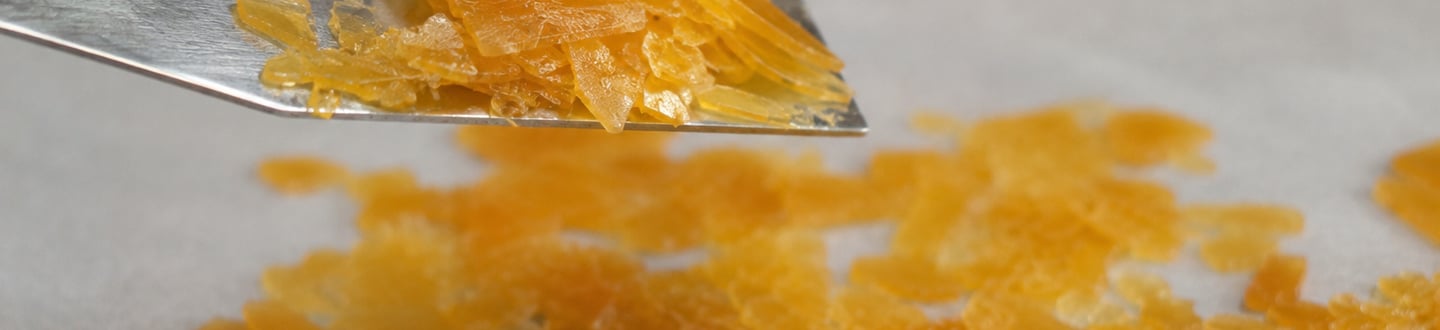
This transformation can be difficult to visualize until you see it happen.
A simple demonstration often reveals how dramatically dried linseed oil changes once fully cured.
(Video demonstration: What dried linseed oil really looks like inside wood.)

Professional quotes available for large siding and exterior wood projects.

We usually reply within 24-48 business hours
Free shipping included — typically delivered within 6–9 business days across the United States and Canada using trusted carriers. Import duties are currently covered by Dalsberg Paint.
Secure payments : Credit card, PayPal, Bank transfer
DALSBERG® is a registered trademark of Dalsberg Paint. All rights reserved.
Dalsberg Paint – operated by Jean- François Luya, sole proprietorship registered in Sweden
VAT SE800626823201
D-U-N-S® Number 778594247
Visit Dalsberg peintures for France Belgium and Switzerland