Linseed Oil Paint vs Acrylic Paint: Which Is Better for Exterior Wood?
Compare linseed oil paint vs acrylic paint for exterior wood. Learn the differences in breathability, durability, maintenance, appearance, and long-term protection.
LINSEED OIL
Dalsberg
7/8/20265 min temps de lecture
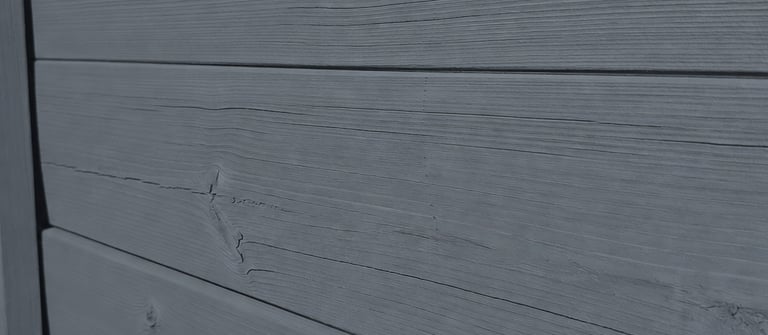
For decades, acrylic paint has dominated the exterior paint market. It's easy to find, available in thousands of fancy glossy colors, and widely promoted as the standard solution for protecting wood. But the result may be a disaster : craking, wood molding, heavy maintenance...
Yet many homeowners restoring barns, cabins, timber homes, or traditional wood siding are asking a different question:
Is acrylic paint really the best choice?
Interest in linseed oil paint has grown rapidly as people search for breathable finishes that respect the natural behavior of wood rather than covering it with a plastic film.
Both systems protect exterior wood.
Both have strengths.
But they work in very different ways.
Understanding these differences can help you choose the finish best suited to your project.
The Fundamental Difference
The biggest difference isn't the color.
It isn't the price.
It isn't even durability.
The real difference is how each coating interacts with wood.
Acrylic paint forms a flexible film (at the begining) over the surface.
Linseed oil paint becomes integrated with the outer wood fibers while remaining breathable.
This difference influences nearly every aspect of long-term performance.
How Acrylic Paint Protects Wood
Modern acrylic paints use synthetic resins that create a continuous protective layer over the wood.
This film blocks rainwater while providing color consistency and a wide range of glossy fancy finishes instead of a natural wood finish.
Advantages include:
Fast drying
Large color selection
Easy application
Excellent short-term appearance
Readily available almost everywhere
For many residential projects, acrylic paint performs very well. Except when the wood needs to quickly release the moisture it accumulates even behind a waterproof film; if it cannot do so, it will expand and cause the film to blister and crack—a film that, year after year, has become rigid rather than flexible and therefore cracks.
However, like every coating system, it also has limitations.
How Linseed Oil Paint Protects Wood
Traditional linseed oil paint follows a completely different philosophy.
Rather than relying primarily on a plastic film, it combines drying linseed oil with mineral pigments to protect the wood while allowing moisture vapor to escape.
The finish remains deeply matte.
Wood grain often stays visible.
Instead of creating a factory-like appearance, it produces a surface that ages naturally alongside the wood.
This breathable behavior has made linseed oil paint a trusted finish for centuries.
Breathability: The Biggest Difference
Exterior wood constantly absorbs and releases moisture.
Rain wets the surface. The humid air still permeates even the surfaces behind the facade.
Morning dew increases humidity.
Sun and wind dry the wood again.
This cycle never stops.
Acrylic paint protects by creating a continuous film, and wood cannot release moisture quickly.
Linseed oil paint protects while allowing the wood to regulate moisture more naturally. Linseed oil is not 100% waterproof.
For many traditional wood buildings, this breathable approach helps reduce the risk of moisture becoming trapped beneath the coating.
That is why breathability remains one of the defining characteristics of traditional exterior wood finishes.
Appearance
The visual differences are immediately noticeable.
Acrylic Paint
Uniform color
Smooth appearance
Available in many sheen levels
Modern factory finish
Linseed Oil Paint does not add shine
Deep matte finish
Natural mineral appearance
Visible wood texture
Rich colors that subtly change with daylight
Authentic character
Many homeowners choose linseed oil paint not simply because of its performance, but because they prefer how natural wood continues to look after painting.
Every surface develops its own character.
Knots remain visible.
The finish never looks like plastic.
Long-Term Maintenance
Applying should be easy. But maintenance too. It is an area where the two systems differ.
When acrylic paint reaches the end of its service life, maintenance often begins with scraping loose paint and preparing the surface before repainting. This is a horrible and time-consuming step.
Breathable linseed oil paint generally weathers differently.
Rather than large sheets of peeling paint, the finish gradually fades over time.
Refreshing the surface is often simpler because the coating ages with the wood instead of separating from it.
No exterior finish lasts forever.
The goal is choosing one that matches the level of maintenance you are comfortable performing over the years.
Which Finish Is Better?
There is no universal winner.
The best choice depends entirely on your priorities.
Choose acrylic paint if you want:
Bright factory colors
Fast drying
Smooth modern appearance
Widely available products
Choose linseed oil paint if you value:
Breathability
Deep matte finish
Natural aging
Traditional appearance
Visible wood grain
Easy long-term renewal
Heritage character
For many barns, cabins, timber homes, board and batten siding, and traditional exterior wood projects, breathable linseed oil paint remains one of the most authentic finishes available today.

Frequently Asked Questions
Is linseed oil paint better than acrylic paint?
It depends on what you want and what matters most to you... Acrylic paint offers fast drying and a wide range of colors, while linseed oil paint provides breathable protection, a natural matte finish, and easier long-term maintenance on traditional exterior wood.
Does linseed oil paint peel?
Properly maintained linseed oil paint is designed to weather gradually rather than peeling in large sheets like some film-forming coatings.
Is linseed oil paint waterproof?
No.
Linseed oil paint is water-resistant, not completely waterproof. Its main advantage is allowing moisture vapor to leave the wood naturally while protecting it from weather exposure.
Can linseed oil paint be used on modern homes?
Yes.
Although traditionally associated with barns and historic buildings, linseed oil paint is increasingly used on modern cabins, wood siding, garden structures, and contemporary timber homes.
Does linseed oil paint allow wood to breathe?
Yes.
Breathability is one of its defining characteristics and one of the reasons it has remained popular for protecting exterior wood for generations.
Which Paint Lasts Longer?
Longevity depends on several factors, including climate, wood species, surface preparation, and maintenance.
Both acrylic paint and linseed oil paint can provide many years of protection when applied correctly.
The biggest difference is not necessarily how long they last, but how they age.
Acrylic paint generally maintains a consistent appearance until the protective film begins to fail. Depending on exposure, this may eventually lead to cracking, blistering, or peeling.
Linseed oil paint follows a different path.
Rather than separating from the wood, it gradually fades as years pass. This natural weathering often makes maintenance easier because the finish usually requires cleaning and another coat instead of extensive scraping.
Many owners of traditional barns and timber buildings appreciate this gradual aging process because it preserves both the appearance and integrity of the wood.
Which Paint Is Better for Exterior Wood?
The answer depends on your project.
If you're painting a modern suburban house and want a smooth factory finish available in thousands of colors, acrylic paint may be an excellent choice.
If you're restoring a barn, cabin, farmhouse, or any exterior wood structure where breathability, authenticity, and easy long-term maintenance are priorities, linseed oil paint offers significant advantages.
It is particularly well suited for:
Barns
Cabins
Wood siding
Board and batten siding
Garden sheds
Timber buildings
Fences
Historic restoration projects
Pros and Cons
Linseed Oil PaintAcrylic PaintExcellent breathabilityFast dryingDeep matte finishHuge color selectionAges naturallyEasy to purchaseFade instead of peelSmooth modern finishEasy long-term maintenanceExcellent short-term appearanceTraditional appearanceAvailable almost everywhereLonger drying timeMay eventually peel or blisterSmaller color rangeCreates a film over the wood
Neither system is universally better.
The right choice depends on the appearance, maintenance strategy, and performance you expect from your exterior wood.
Final Thoughts
Linseed oil paint has survived for centuries because it follows one simple principle:
Protect the wood without preventing it from behaving like wood.
Rather than creating a thick synthetic shell, it allows moisture to move naturally while protecting the surface with durable mineral pigments and traditional binders.
For homeowners looking for a breathable, matte, heritage finish that ages gracefully instead of peeling, linseed oil paint remains one of the most respected exterior wood finishes available today.
Whether you're restoring a historic barn or painting a brand-new cabin, understanding how different paint systems work will help you make a better long-term decision for your wood.
Professional quotes available for large siding and exterior wood projects.

We usually reply within 24-48 business hours
Free shipping included — typically delivered within 6–9 business days across the United States and Canada using trusted carriers. Import duties are currently covered by Dalsberg Paint.
Secure payments : Credit card, PayPal, Bank transfer
DALSBERG® is a registered trademark of Dalsberg Paint. All rights reserved.
Dalsberg Paint – operated by Jean- François Luya, sole proprietorship registered in Sweden
VAT SE800626823201
D-U-N-S® Number 778594247
Visit Dalsberg peintures for France Belgium and Switzerland