
What Is Linseed Oil Paint? Complete Guide for Exterior Wood Paint
Learn what linseed oil paint is, how it protects exterior wood, why it remains breathable, and how it compares with modern acrylic paints and wood stains.
LINSEED OIL
Dalsberg
7/6/20265 min temps de lecture
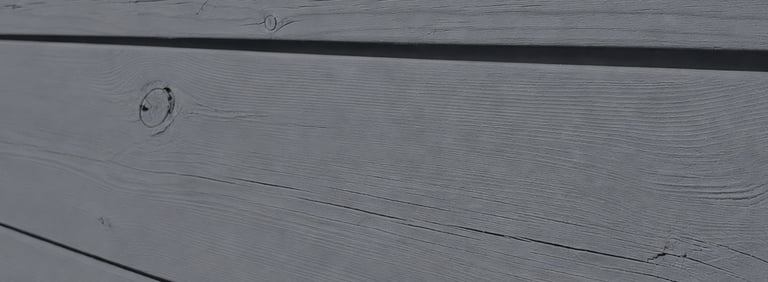
Linseed oil paint is one of the oldest and most respected finishes ever used to protect exterior wood. Long before acrylic paints, synthetic coatings, and modern stains became common, homeowners and craftsmen relied on linseed oil combined with natural mineral pigments to preserve barns, cabins, fences, shutters, and wood siding.
Centuries later, linseed oil paint is still valued for one simple reason: it works with the wood instead of against it.
Unlike many modern coatings that create a plastic film on the surface, traditional linseed oil paint penetrates the wood fibers and allows the wood to breathe. This breathable approach helps reduce trapped moisture while creating a beautiful matte finish that ages naturally instead of peeling. With linseed oil, the natural wood finish stays intact.
Today, interest in linseed oil paint is growing again as more homeowners search for durable, low-maintenance, and environmentally conscious alternatives for exterior wood.
In this complete guide, you'll learn:
What linseed oil paint really is
How it protects exterior wood
Why it behaves differently from acrylic paint
The difference between raw and boiled linseed oil
Why breathability matters
Whether it's the right choice for your project
What Is Linseed Oil Paint?
Linseed oil paint is a traditional exterior wood coating made from three essential components:
linseed oil
natural mineral pigments
carefully selected fillers and binders
Unlike modern synthetic paints that rely on plastic resins, linseed oil paint uses a natural drying oil as its primary binder.
When applied to wood, the oil penetrates the surface fibers before gradually hardening through contact with oxygen. This creates a durable finish that becomes part of the wood rather than simply sitting on top of it.
Traditional linseed oil paint has been used for generations on:
wood siding
barns
cabins
farm buildings
fences
shutters
timber structures
Because it works with the natural movement of wood, it remains one of the most respected finishes for exterior timber construction.
Why Has Linseed Oil Paint Been Used for Centuries?
Before synthetic coatings existed, builders needed a finish that could withstand decades of changing weather.
Exterior wood naturally expands and contracts as humidity changes throughout the seasons.
Rain wets the surface.
Sun dries it.
Winter freezes it.
Summer heats it.
Wood is constantly moving.
Traditional builders quickly learned that completely sealing the wood often created new problems.
Instead, they developed breathable finishes that allowed moisture to escape while still protecting the surface.
Linseed oil paint became one of the best-known solutions because it offered:
excellent adhesion
beautiful matte colors
easy maintenance
natural weathering
long service life
Many historic barns, churches, and wooden houses still display linseed oil paint that has protected the wood for decades.
How Does Linseed Oil Paint Work?
One of the most fascinating characteristics of linseed oil paint is what happens after application.
Many people imagine that the oil simply remains liquid inside the wood.
It doesn't.
Linseed oil is known as a drying oil.
Instead of evaporating like water, it reacts with oxygen from the air.
During this process, called polymerization, the oil molecules gradually link together to form a solid network within the wood fibers. Learn and watch how it works in this article.
In other words, the liquid oil slowly becomes a durable solid.
This transformation helps explain why properly formulated linseed oil paint develops such remarkable durability.
It isn't simply coating the surface.
It is becoming integrated into it.
If you'd like to see this transformation in action, read our guide:
Linseed Oil Paint: What Happens When Linseed Oil Dries Inside Wood?
There you'll see why cured linseed oil looks and behaves completely differently from liquid oil.
Why Breathability Is So Important
Many homeowners assume the best exterior paint is the one that blocks the most water.
In reality, exterior wood protection is more complicated.
Wood constantly exchanges moisture with the surrounding environment.
Even on sunny days, wood absorbs humidity from the air.
During rain, moisture enters the outer fibers.
When the weather improves, that moisture needs a way to escape.
If a coating traps moisture beneath an impermeable film, pressure can gradually build underneath the surface.
Over time, this may contribute to:
blistering
cracking
peeling
accelerated wood deterioration
Breathable finishes like linseed oil paint work differently, it supress peeling effect.
Instead of trapping moisture, they allow water vapor to leave the wood naturally.
This doesn't mean the paint lets rain pass through.
It means the wood can continue regulating its internal moisture more effectively.
That simple difference is one reason breathable exterior wood finishes have remained popular for generations.

Why Dalsberg Recommends Boiled Linseed Oil
One characteristic makes boiled linseed oil particularly interesting.
It is one of the very few traditional binders that genuinely improves the visual richness of the final color.
Instead of muting pigments, it tends to reinforce them.
Black finishes become deeper.
Barn reds become warmer.
Charcoal tones gain additional depth.
Even lighter colors generally tolerate small additions remarkably well.
In our own mineral formulations, adding up to approximately 5% boiled linseed oil typically does not produce noticeable yellowing, even on white paints.
At the same time, the oil contributes additional protection by strengthening the paint film and improving water resistance.
This is why we strongly recommend adding boiled linseed oil whenever painting exterior wood.
The paint performs well without it.
With it, both appearance and long-term durability improve.
Never Try to Make Boiled Linseed Oil Yourself
Some online tutorials suggest heating raw linseed oil at home.
This is not recommended.
Heating drying oils presents a serious fire risk.
Even more importantly, rags soaked with drying oils can undergo spontaneous combustion if they are left crumpled after use.
Professional manufacturers produce boiled linseed oil under carefully controlled conditions.
Fortunately, it is inexpensive and widely available throughout North America.
You can simply purchase ready-to-use boiled linseed oil from:
Home Depot
Lowe's
Ace Hardware
most independent hardware stores
paint suppliers
No special preparation is required.
Simply add the recommended quantity during mixing.
Why Adding Boiled Linseed Oil Makes Sense
Although breathable mineral paint performs well with water alone, adding boiled linseed oil provides several advantages.
It helps nourish the wood while reinforcing the protective qualities of the finish.
Benefits include:
richer and deeper colors
improved water resistance
reduced surface chalking
enhanced long-term durability
additional protection for exposed exterior wood
easier maintenance over time
One of the first things homeowners notice is the difference in appearance.
Colors look more vibrant without becoming glossy.
The finish remains beautifully matte while developing additional depth.
Many customers describe the result as looking more "alive" because the mineral pigments react naturally with changing daylight.
How Much Boiled Linseed Oil Should You Use?
For most exterior projects, only a modest amount is required.
A typical recommendation is approximately:
10–15 fluid ounces per U.S. gallon of water
This corresponds to roughly 3–5% of the total mixture, depending on the formulation.
There is usually no advantage in adding significantly more oil.
The goal is not to create an oily surface.
The objective is simply to enhance protection while preserving the breathable characteristics of the coating.
Used in the proper proportion, boiled linseed oil strengthens the finish without compromising its natural appearance.
Learn how to apply linseed oil in this article.
Why Mineral Pigments Matter
Linseed oil alone does not protect wood from sunlight.
That role belongs largely to the pigments.
Traditional exterior paints rely heavily on natural mineral pigments because they offer exceptional UV stability.
Unlike many synthetic colorants, mineral pigments remain remarkably stable over decades of weather exposure.
Combined with linseed oil, they create a finish capable of protecting wood while maintaining its authentic appearance.
This combination explains why traditional barn paints have remained so successful for generations.
Rather than relying on thick synthetic coatings, they combine breathable binders with naturally durable pigments.
The result is a finish that ages with the wood instead of fighting against it.
Professional quotes available for large siding and exterior wood projects.

We usually reply within 24-48 business hours
Free shipping included — typically delivered within 6–9 business days across the United States and Canada using trusted carriers. Import duties are currently covered by Dalsberg Paint.
Secure payments : Credit card, PayPal, Bank transfer
DALSBERG® is a registered trademark of Dalsberg Paint. All rights reserved.
Dalsberg Paint – operated by Jean- François Luya, sole proprietorship registered in Sweden
VAT SE800626823201
D-U-N-S® Number 778594247
Visit Dalsberg peintures for France Belgium and Switzerland