Painting Outside Wood: The Right Way to Protect Exterior Wood Without Peeling
Painting outside wood the right way. Learn how to protect exterior wood without peeling, cracking, or sealing moisture inside.
TECHNICAL
Dalsberg
1/24/20263 min temps de lecture
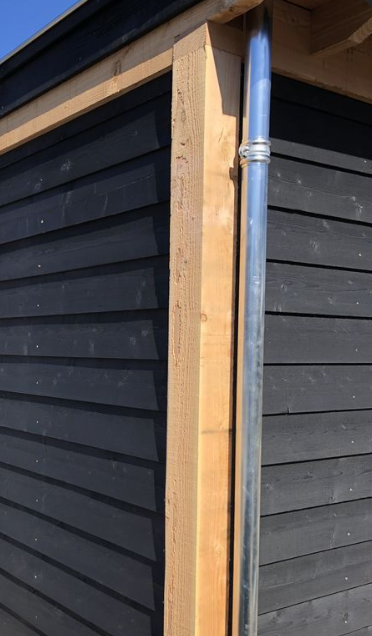
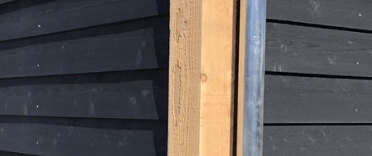
You may be in the following situation: the board and batten, clapboard or plank siding is finished and ready to be painted.
Let's take a step back, painting outside wood isn’t just about color.
It’s about protecting wood that lives outdoors — exposed to rain, sun, humidity,
freezing temperatures, and seasonal movement.
Many exterior wood painting failures come from one simple mistake:
using paint that seals and insulates the wood instead of working with it.
This guide explains how to paint outside wood properly,
why some paints peel while others last, and how to get durable results with minimal maintenance.
Why Painting Outside Wood Is Different
Exterior wood is a living material.
Outdoors, wood constantly:
absorbs and releases moisture
expands and contracts with temperature
reacts to UV exposure
When paint forms a rigid, plastic film, moisture gets trapped.
That’s when you see:
peeling
blistering
cracking
rotting wood underneath
Good exterior wood paint doesn’t seal wood shut.
It lets wood breathe.
Step 1: Prepare Outside Wood (Without Overdoing It)
One of the biggest myths about painting outside wood is that preparation must be heavy and complicated.
In reality, for breathable, non-film-forming paints:
What you need to do
Brush off dust, dirt, and loose fibers
Make sure the wood is dry
What you don’t need
No sanding marathons
No chemical strippers
No primer
⚠️ If the wood is already coated with acrylic paint, varnish, or thick stain, those must be removed. Breathable paint needs direct contact with the wood.
Step 2: Choose the Right Paint for Outside Wood
When painting outside wood, the type of paint matters more than the brand.
Avoid:
Thick acrylic exterior paints
Plastic or elastomeric coatings
Glossy or rubberized finishes
These paints may look good at first — but they almost always peel.
Look for:
Non-film-forming exterior wood paint
Mineral or heritage paint formulations
Matte finishes
Microporous / breathable behavior
This is why traditional barn paint lasted so long on exterior wood.
👉 Related guide: Why Old Barn Paint Didn’t Peel
Step 3: Application — Simple and Forgiving
Painting outside wood should not feel stressful.
With breathable exterior wood paint:
Mix the paint (often powder + water)
Apply with a wide brush (whitewash or masonry brush)
One generous coat is usually enough
Rollers are not recommended.
Sprayers can be used with light dilution.
That’s it.
No primer.
No complex system.
No perfect technique required.
Step 4: Optional — Boiled Linseed Oil for Extra Durability
For exterior wood exposed to heavy weather, with paint boiled linseed oil is a proven, traditional booster.
Adding linseed oil:
improves moisture resistance
reduces surface chalking over time
extends service life
Any boiled linseed oil from Home Depot or Lowe’s works well.
This isn’t mandatory — but it’s a smart option for:
fences
sheds
barns
exposed siding
What Finish Do You Get on Outside Wood?
Painting outside wood with breathable paint gives a natural wood finish, not a plastic surface.
You get:
deep matte appearance
visible wood grain and knots
subtle variations with light and seasons
The color is not industrially “flat.”
It ages naturally — fading instead of peeling.
Maintenance: Easier Than You Expect
One of the biggest advantages of painting outside wood this way is long-term maintenance.
Instead of:
scraping peeling paint
sanding entire facades
You simply:
brush the surface
apply a fresh coat
Maintenance intervals are typically 8–12 years, depending on exposure.
Where This Works Best
Painting outside wood with breathable paint is ideal for:
wood siding
cabins and chalets
barns and sheds
fences and gates
garages and outbuildings
It works on:
rough wood
planed wood
new or old wood
pressure-treated wood
Frequently Asked Questions (People Also Ask)
How do you paint outside wood so it lasts?
Use a breathable, non-film-forming paint that lets moisture escape. Avoid thick acrylic paints that trap water and peel.
Do I need primer when painting outside wood?
No — breathable exterior wood paints are designed to bond directly to wood without primer.
What is the best paint for outside wood?
The best paint for outside wood is one that:
does not form a plastic film
allows moisture movement
ages gradually instead of failing suddenly
How often should outside wood be repainted?
Typically every 8–12 years, depending on climate and exposure — with minimal preparation.
Why does exterior wood paint peel?
Because most modern paints seal the wood, trapping moisture underneath. Breathable paint avoids this problem.
Final Thought
Painting outside wood doesn’t need to be complicated.
When you:
respect how wood behaves outdoors
choose paint that works with the material
keep the system simple
You get wood that lasts longer, looks better, and is far easier to maintain.
Sometimes, the old logic : heritage barn paint, really was the best one.
Professional quotes available for large siding and exterior wood projects.

We usually reply within 24-48 business hours
Free shipping included — typically delivered within 6–9 business days across the United States and Canada using trusted carriers. Import duties are currently covered by Dalsberg Paint.
Secure payments : Credit card, PayPal, Bank transfer
DALSBERG® is a registered trademark of Dalsberg Paint. All rights reserved.
Dalsberg Paint – operated by Jean- François Luya, sole proprietorship registered in Sweden
VAT SE800626823201
D-U-N-S® Number 778594247
Visit Dalsberg peintures for France Belgium and Switzerland